Why Treating Trauma, Not Just Addiction, Changes Everything
Addiction doesn’t happen in a vacuum. It’s almost never just about the drug. Behind nearly every case of substance abuse is a story—a moment, or series of moments—where someone stopped feeling safe in their own skin. That’s trauma. And if we ignore it, we miss the entire point of healing.
In traditional treatment centers, the primary focus is detox and abstinence. But trauma doesn’t end when the substance use stops. In fact, that’s often when it roars to the surface. Without the numbing effect of drugs or alcohol, unresolved trauma can feel unbearable. So people relapse—not because they’re weak, but because they’re still hurting.
A message about loss from substance abuse from Phoenix Ranch Founder, Michael Turner
At Phoenix Ranches, we believe that sobriety without safety is fragile. That’s why our model begins with restoring safety—emotionally, physically, and socially. Residents are given time, structure, and trust. They aren’t told to “move on” from their pain—they’re invited to face it, process it, and finally lay it down.
We also know that healing doesn’t happen alone. Isolation fuels addiction; connection counters it. Our community-based approach ensures that residents are surrounded by others who understand the struggle—not just clinicians, but peers who’ve lived it too. There is no hierarchy of worth here. Just humans helping humans.
Many residents at Phoenix Ranches discover, often for the first time, what actually brings them peace: routine, nature, creative expression, movement, contribution. Instead of replacing the drug with a new obsession, we help people build lives that don’t require escape.
We also focus on building emotional resilience—the ability to stay grounded when life gets hard. Residents learn how to regulate their nervous systems, manage triggers, and repair relationships. These aren’t just coping skills; they’re life skills. Skills that were never taught in chaotic homes or survival-mode environments. Skills that last.
Most importantly, we offer open-ended recovery. There’s no ticking clock. Residents can stay, grow, mentor, and even become staff if they choose. Healing can’t be rushed—and it shouldn’t be evicted.
If we want to end addiction, we have to stop obsessing over substances and start healing the hurt. Because when trauma is treated, the need to self-medicate begins to fall away.
Addiction isn’t the disease—it’s the smoke. At Phoenix Ranches, we put out the fire.
From Rat Park to Phoenix Ranches: A Proven Shift in How We Treat Addiction
The famous Rat Park experiment by psychologist Bruce K. Alexander revealed a groundbreaking truth: it wasn’t the drugs that caused addiction—it was the cage. When rats were isolated, bored, and alone, they consumed heroin-laced water obsessively, often to the point of death. But when placed in Rat Park—a rich, social, stimulating environment—they largely ignored the drugs altogether.
Phoenix Ranches is the human version of Rat Park.

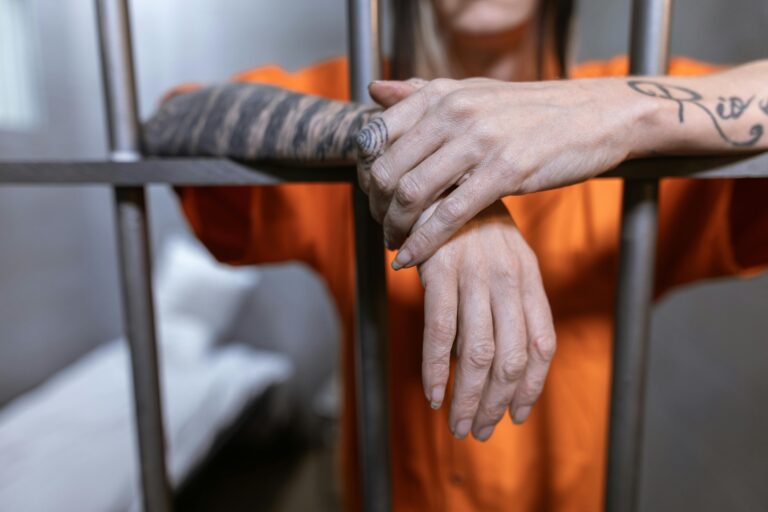
Just like those isolated lab rats, many people battling addiction have lived in metaphorical cages—poverty, trauma, broken homes, unsafe neighborhoods, or institutional systems that stripped them of connection, freedom, and dignity. Traditional treatment models often keep them caged—isolated, shamed, and given strict time limits to “get better.”
Phoenix Ranches flips that model on its head.
Here, residents live in a vibrant, purpose-filled community. They engage in meaningful work, connect with others who understand their journey, and rediscover joy through nature, animals, physical movement, and service. They aren’t punished for their pain—they are supported through it. They’re not “treated” and sent away—they’re invited to stay, contribute, and belong.
Addiction thrives in isolation. Healing thrives in community. Just like Rat Park showed us decades ago, it’s not about removing the drug—it’s about changing the environment.
Phoenix Ranches creates the kind of environment where healing is not just possible—it’s inevitable.


Would you pay $50,000 PER MONTH for a drug treatment center with a five percent success rate and a 50 percent relapse rate within one week of release?
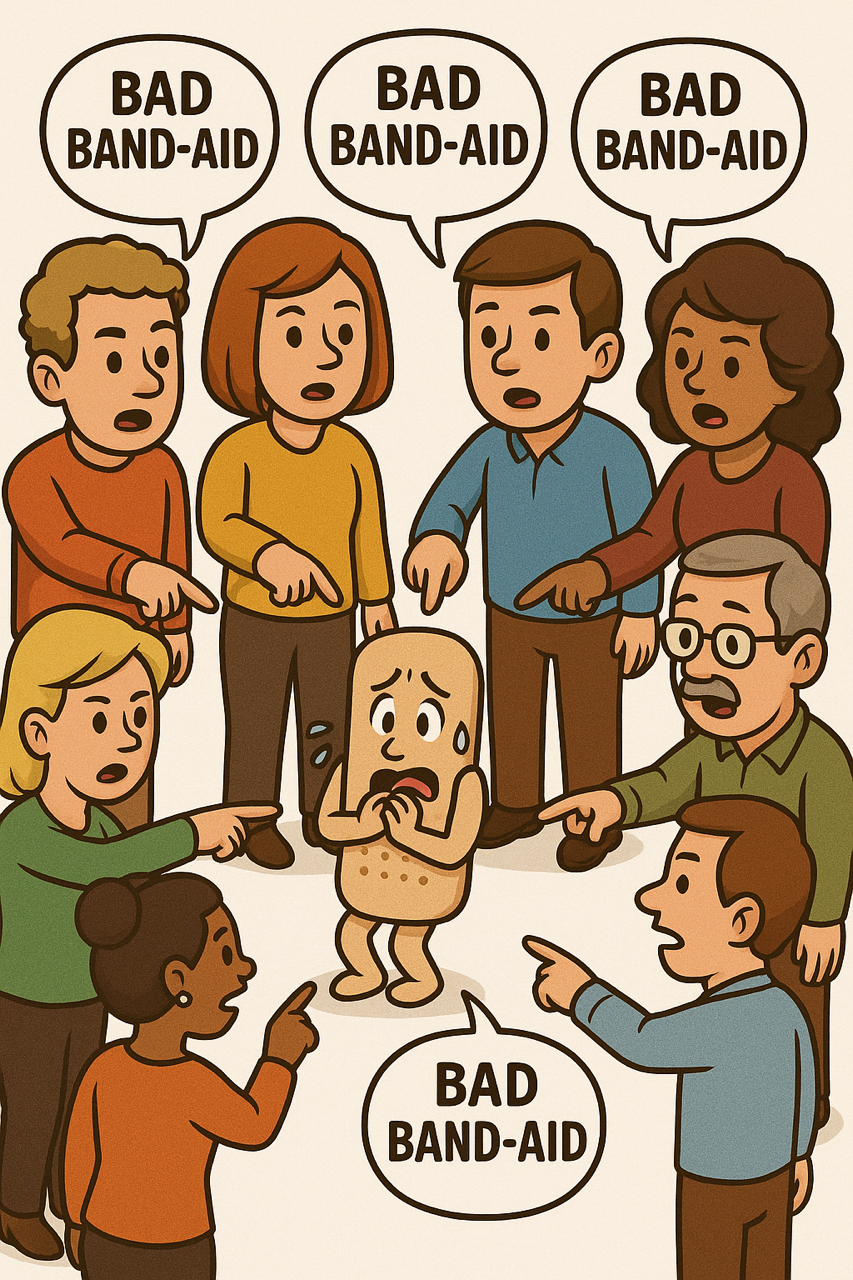
Well, in the United States, the failure rate of drug treatment programs is staggering—as high as 95%. Within just one week of leaving treatment, more than 50% of individuals relapse. These aren’t just numbers; they’re lives stuck in a cycle of hope, relapse, and shame. And the reason is both simple and tragic: we’re blaming the Band-Aid instead of healing the wound.
Most treatment centers focus on the substance—the visible behavior. Detox, abstinence, and 12-step meetings are often the backbone of care. But for the vast majority of people struggling with addiction, drugs were never the core problem. The core problem was trauma—unresolved pain from abuse, neglect, violence, abandonment, or life-altering stress.
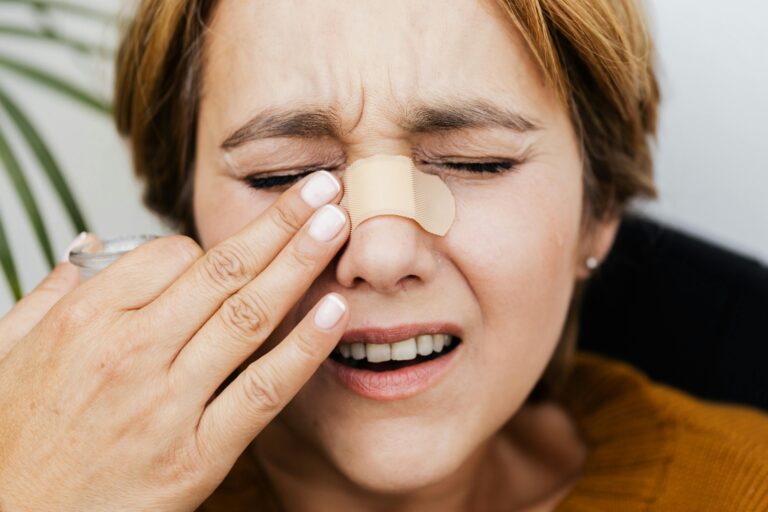
Drugs, as destructive as they can be, often function as survival tools. They numb flashbacks, silence anxiety, and soften the unbearable. When treatment ignores this and just demands sobriety, it’s like ripping off a Band-Aid while leaving the wound wide open. The trauma is still there, raw and bleeding.
This is why relapse happens so quickly—not because people want to fail, but because we’ve never taught them how to live without the pain.
At Phoenix Ranches, we treat the trauma first. We give people the time, space, tools, and community they need to truly heal—so the Band-Aid isn’t necessary anymore.
Until we stop blaming the drug and start treating the wound, recovery will remain a revolving door.