How Trauma Fuels Homelessness—and How We Heal It
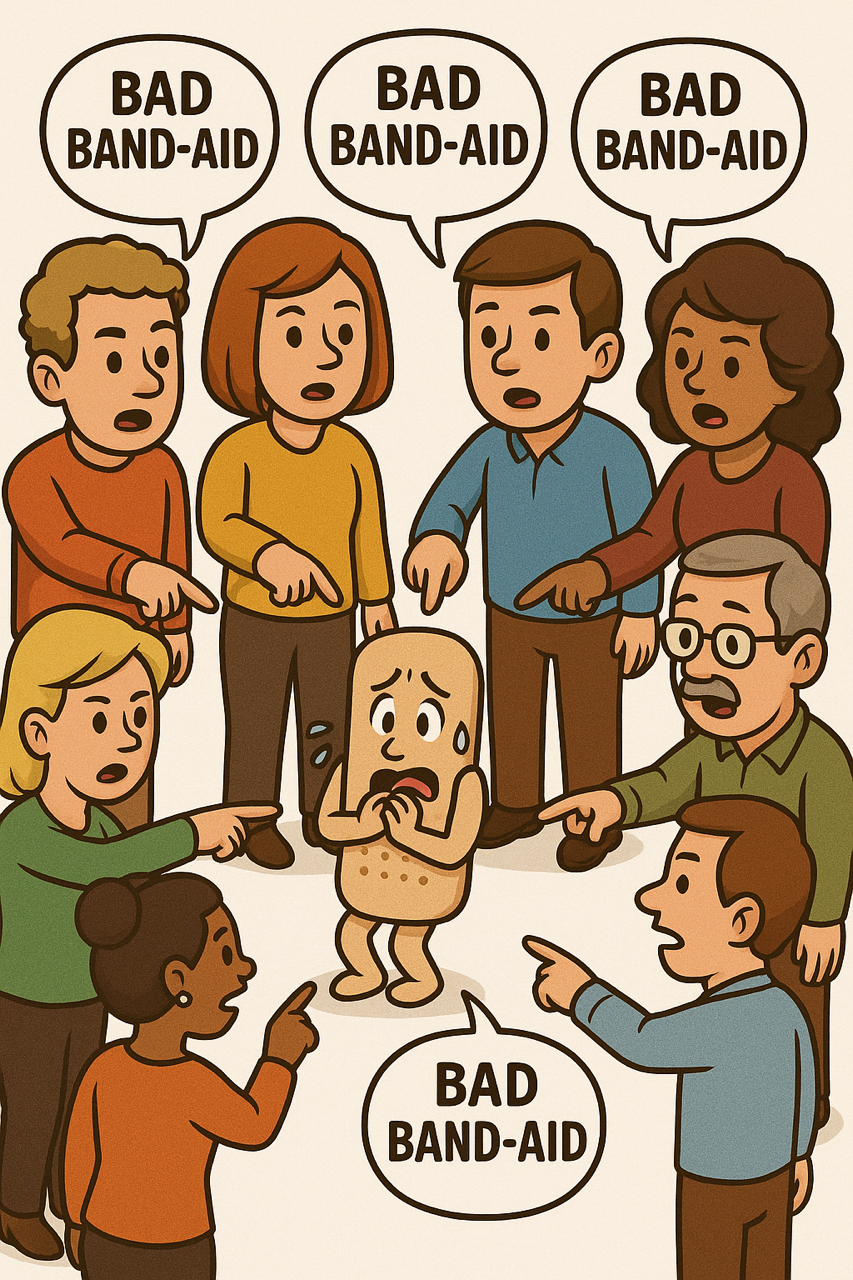
Trauma doesn’t just happen in war zones or emergencies—it happens in childhood homes, foster care systems, abusive relationships, and impoverished neighborhoods. It happens when people are neglected, abandoned, or repeatedly told—by actions or words—that they don’t matter. For many who experience homelessness, trauma began early and went untreated. A young person growing up in chaos may run away, cycle through the foster system, or be criminalized for survival behavior. Adults may find themselves unhoused after fleeing domestic violence, struggling with untreated mental illness, or dealing with the collapse of coping mechanisms like addiction. In each case, trauma is not incidental—it’s foundational.When trauma is ignored, even stable housing can fail. Without trust, community, and a sense of safety, individuals may isolate, sabotage opportunities, or return to the streets because it’s where they’ve learned to survive. That’s why Phoenix Ranches doesn’t just offer shelter—it offers healing.
At Phoenix Ranches, residents receive stable housing alongside intensive trauma recovery support. This includes individual and group therapy, peer mentoring, skill-building, nature-based therapy, and daily rhythms rooted in purpose. Residents are not treated as problems to be managed—they’re people on a path to restoration.
The environment is intentionally safe, supportive, and empowering, giving residents the time and space to recover emotionally, mentally, and spiritually. Here, individuals who were once cast aside are reconnected to dignity, community, and long-term stability.
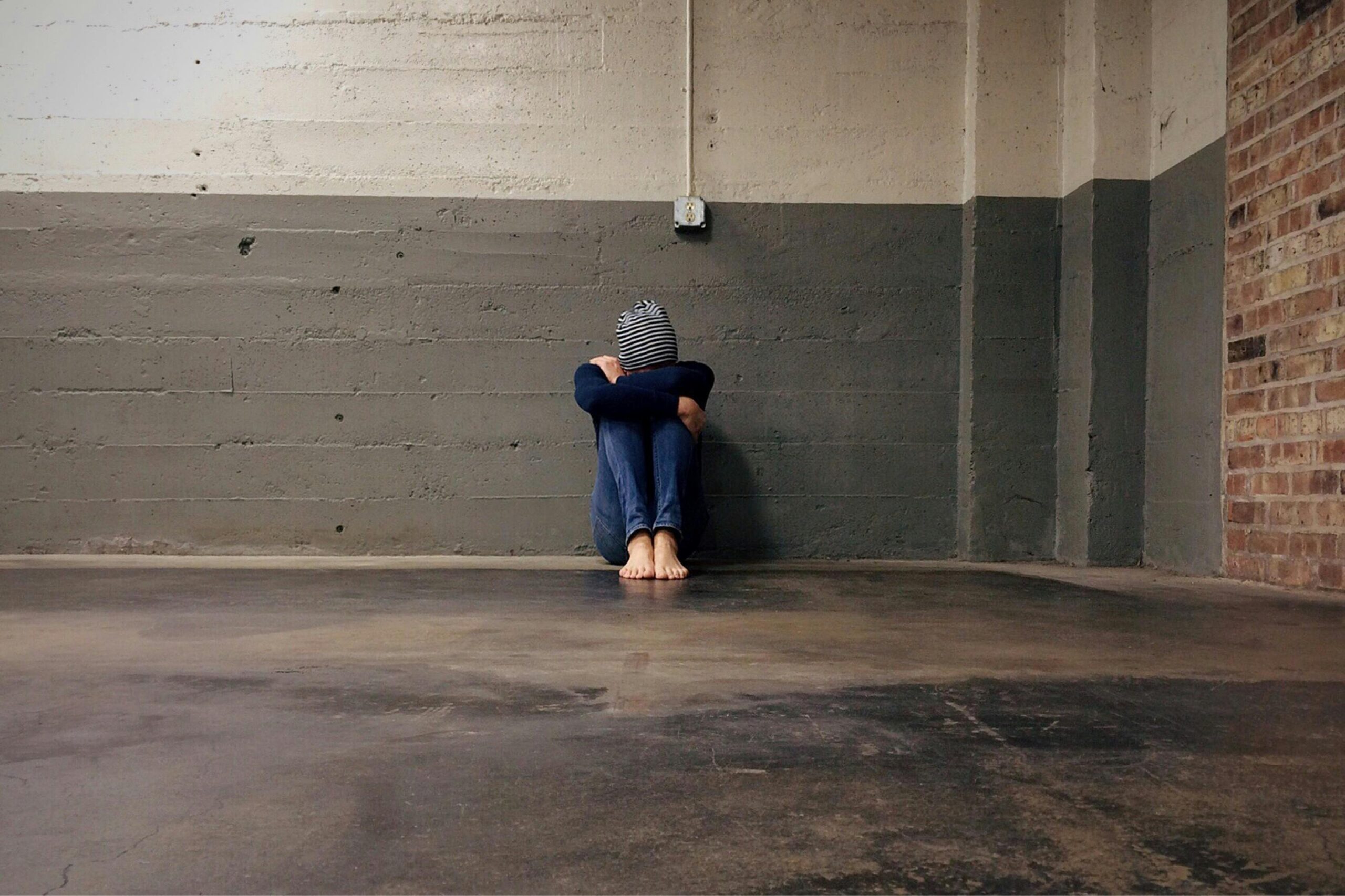
Just like veterans, residents who come to Phoenix Ranches through homelessness are never forced to leave. There’s no expiration date on healing. Those who wish to stay long-term are given the opportunity to grow into meaningful roles within the community—whether through animal care, cooking, maintenance, peer mentorship, farming, or leading group activities. Each person’s skills and passions are recognized and put to use in a way that promotes dignity, stability, and contribution. With tailored support plans, job training, and wraparound care, residents can become gainful, productive members of a vibrant, purpose-driven community.
This is how homelessness ends—not just with a roof, but with restoration.